

We live in an age that has made public disagreement almost effortless. A few seconds are enough to post a complaint, expose someone’s mistake, forward a message, or invite an entire audience into a conflict that once belonged to two people. Against that background, one sentence in this Sunday’s Gospel sounds remarkably modern: “Go and tell him his fault between you and him alone.” Jesus begins reconciliation not with an audience, but with a conversation. His purpose is not to embarrass the person who has done wrong, nor simply to prove who is right. He says something far more beautiful: “If he listens to you, you have won over your brother.” The goal is to recover a relationship. Only when that private encounter fails does Jesus gradually widen the circle, always seeking truth, justice, and reconciliation rather than humiliation. It is a demanding vision of Christian community because it asks for something more difficult than public criticism: the courage to knock on a door, sit across from another person, speak truthfully, listen carefully, and leave room for grace. Perhaps many of our conflicts would look very different if, before telling everyone else, we first spoke to the person who actually needs to hear us. In the Kingdom of God, winning an argument is never as important as winning back a brother • AE
At the end of Mozart’s Le nozze di Figaro, after an evening of deception, jealousy, and hurt, the Count finally asks the Countess for forgiveness. She forgives him—and something beautiful happens: the discord gives way to harmony, and the scattered voices come together again. Mozart seems to remind us of something at the heart of this Sunday’s Gospel: reconciliation does not erase what happened; it makes communion possible again.

St. Joseph Catholic Church (Dilley, TX) • Weekend Schedule

Fr. Agustin E. (Parish Administrator)
Friday, September 4, 2026.
6.00 p.m. Holy Mass
6.45 Eucharistic Adoration & Benediction
Saturday, September 5, 2026
11.00 a.m. 50th Wedding Anniversary Mass for Mr. & Mrs. San Miguel.
5.00 p.m. Sacramento de la Confesión
6.00 p.m. Santa Misa.
Sunday, September 6, 2026.
8.00 a.m. Sacrament of Reconciliation
8.30 a.m. Holy Mass.
10.30 a.m. Sacrament of Reconciliation.
11.00 a.m. Holy Mass.
XXIII Domingo del Tiempo Ordinario (Ciclo A)
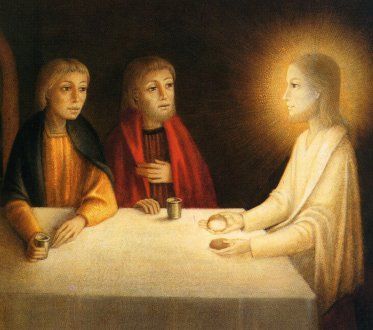
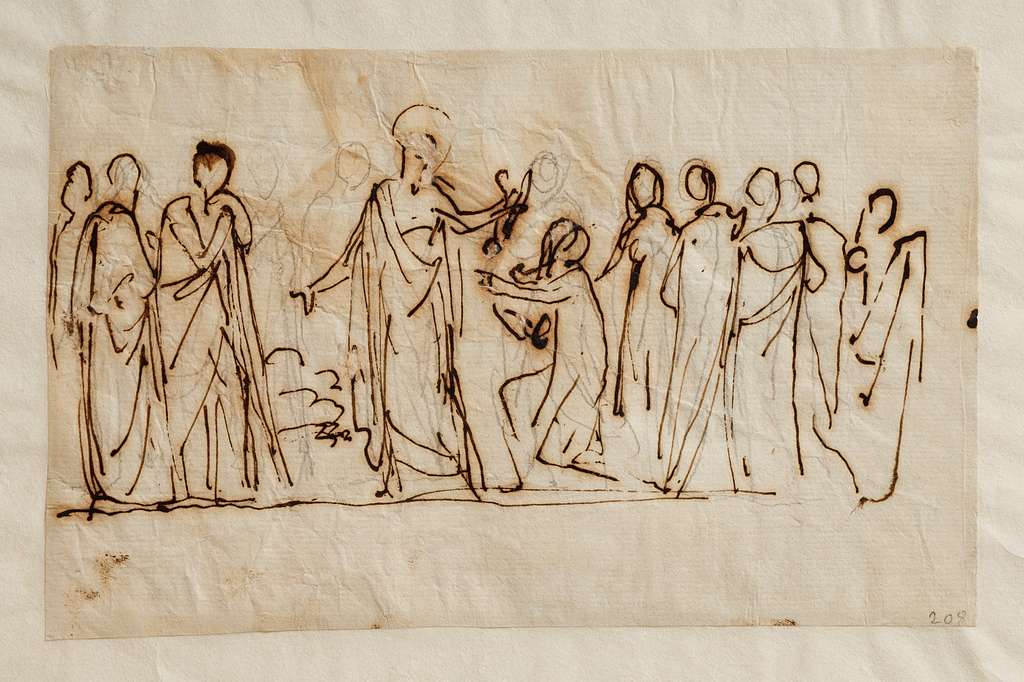
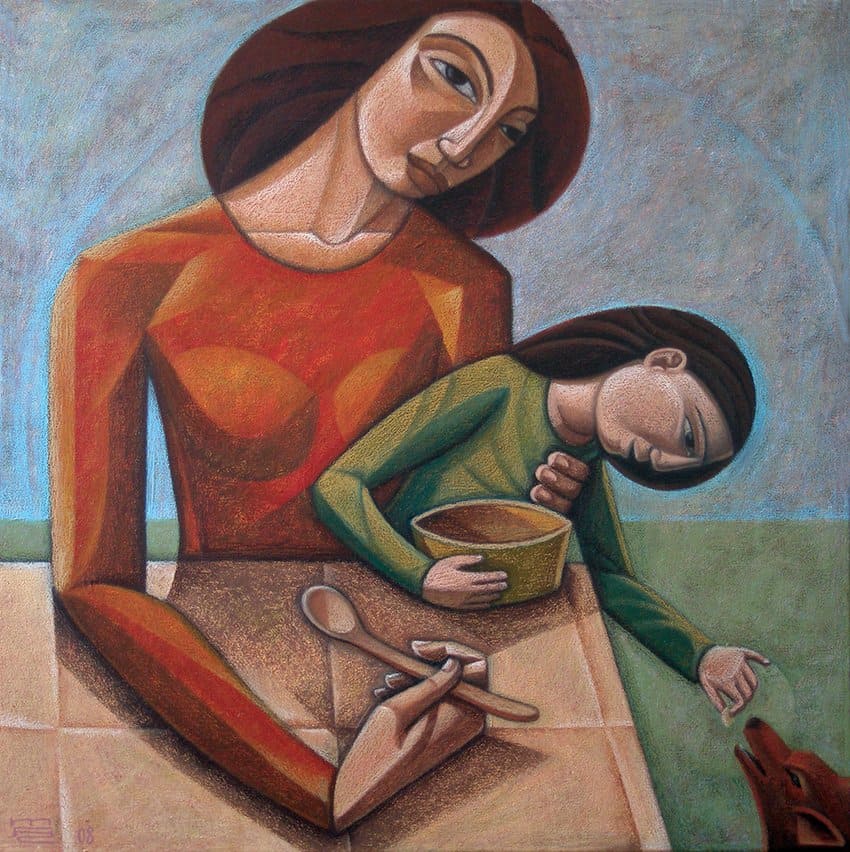
Bradi Barth (1922–2007), La cena de Emaús, temple sobre madera, Museo de Arte de Springfield (Missouri).
Hay algo sorprendente en la última frase del Evangelio de este domingo: Jesús no dice «donde miles se reúnan en mi nombre», ni siquiera «donde una gran comunidad se reúna». Dice simplemente: «donde dos o tres están reunidos en mi nombre, allí estoy yo en medio de ellos». Dos o tres. Casi nada. Y, sin embargo, suficiente. Estamos acostumbrados a medir el éxito con números: cuántos asistieron, cuántos participaron, cuántos escucharon. El Evangelio utiliza otra medida. Para Cristo, una pequeña reunión alrededor de una mesa, una familia que reza antes de dormir, dos amigos que rezan por alguien que sufre, unas pocas personas reunidas en una iglesia casi vacía pueden convertirse en lugar de su presencia. La grandeza de una comunidad cristiana nunca ha dependido solamente de cuántos la forman, sino de Quién está en medio de ella. Quizá por eso algunas de las cosas más importantes del Reino comienzan sin multitudes, sin aplausos y sin estadísticas: basta que dos o tres hagan espacio para Cristo. Cuando el Esposo ocupa el centro, nunca somos pocos • AE
Thomas Tallis compuso If Ye Love Me para apenas cuatro voces, sin orquesta ni grandes efectos. Cada voz es sencilla por sí sola, pero al encontrarse con las demás surge una armonía de extraordinaria belleza. Es una buena manera de escuchar el Evangelio de este domingo: para que suceda algo grande no siempre hace falta una multitud. A veces bastan dos o tres reunidos alrededor de una misma presencia •

Sigue el verano; seguimos leyendo


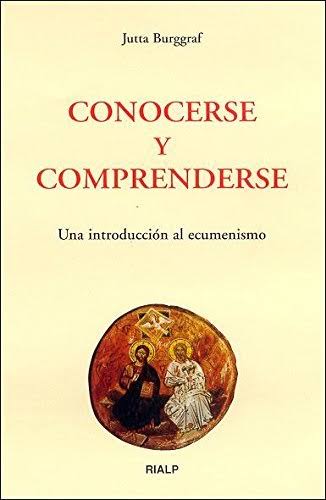
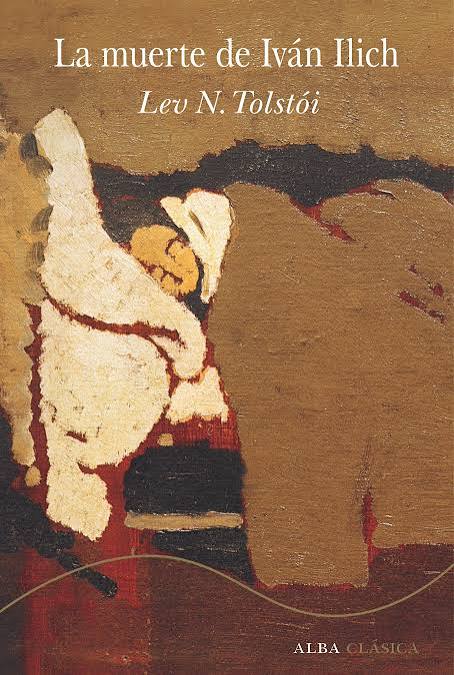
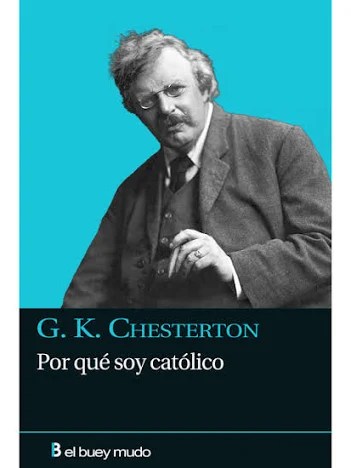























 LA MEDITACION DE LA ESPOSA